

This week at Cog #37
Trump cancels wind farm leases, more family separations, anonymous celebrities and an essay from the author of “Love & Other Monsters”

The hype around the nation’s big birthday is building. But so is the melodrama. The latest kerfuffle centers on competing birthday parties: America250, the U.S. Semiquincentennial Commission created by Congress in 2016 to coordinate the nation’s official activities and Freedom 250, a public-private partnership President Trump established via executive order.
Trump has said that Freedom 250 is meant to complement — not replace — America250, but not everyone is buying it. Despite the confusion, the nation seems pretty excited about the milestone: Reservations are filling up and events are selling out. Here’s a cool tool from America250 you can use to find ways to participate near you. You can use it to find reenactments, educational offerings and volunteer opportunities and sort for free, in-person and virtual. Freedom 250 has a similar tool.
Whichever events you decide to attend, I think we can all agree that being the world’s longest-standing democracy is something to celebrate. — KNC
This week’s stories
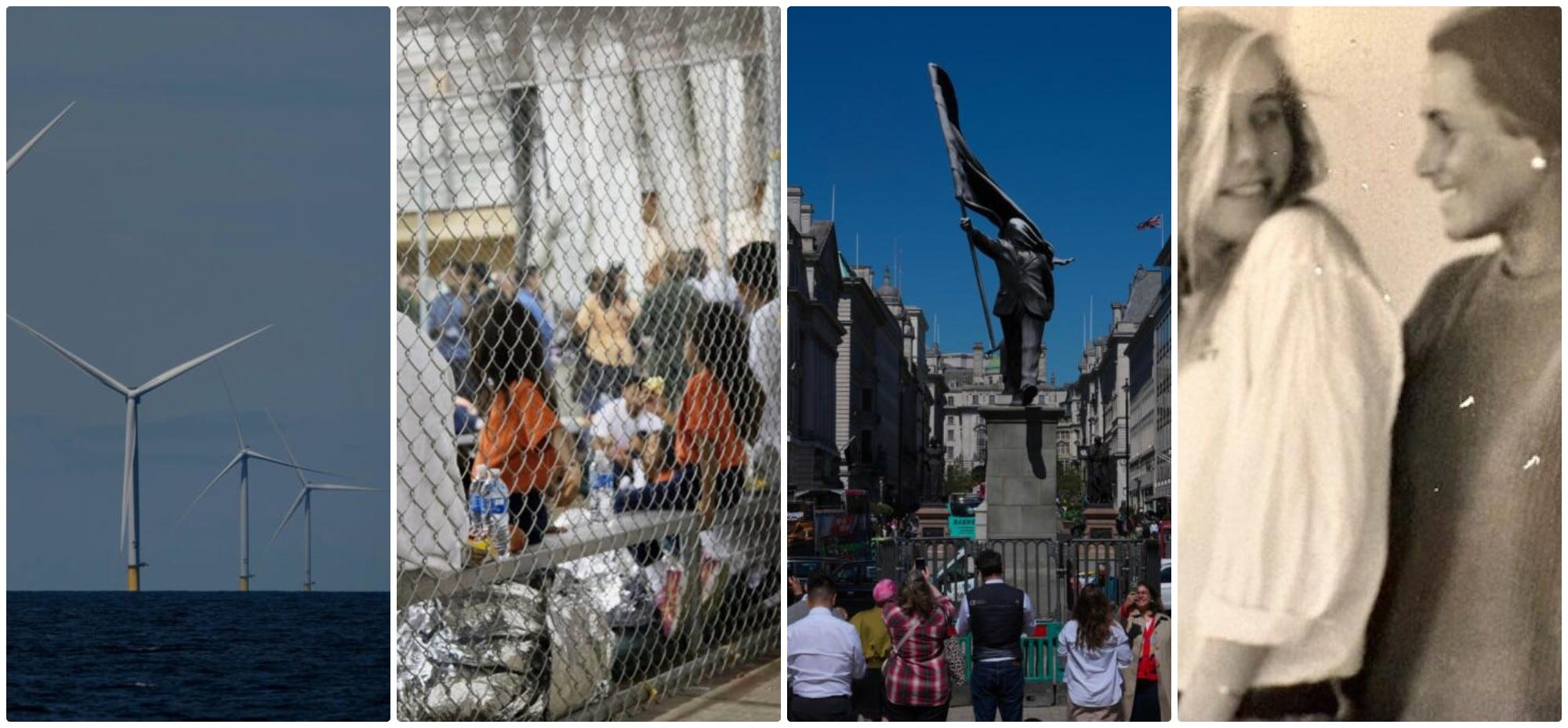
The Department of the Interior cancelled four wind farm leases. The particulars are problematic
Settlements between the government and industry can be a useful tool for implementing industrial policy and avoiding litigation. “But past government buyouts were undertaken with public debate, transparency and congressional authorization,” writes Frederick Hewett. “The administration’s ocean lease buyouts share none of those attributes.”
In 2018, Americans recoiled at the idea of family separation. Now it’s happening again
“In 2018, photographs of children in chain-link enclosures produced a genuine moment of national recoil. Many Americans believed they were watching an aberration, a policy excess that would be corrected,” writes James Lomastro. But “the danger was never only in the specific policy. It was in the lesson the policy was teaching the country about what it could tolerate.”
Why we love anonymous celebrities like Banksy – and hate when they become known
“Simmelian strangers” like Banksy and Satoshi Nakamoto are symbolically important, writes Jonah Prousky. “They encourage us to think about an invention or piece of art — say, Banksy’s “Balloon Girl” or Bitcoin — on its merits, without getting bogged down by the foibles, politics or love life of its creator.”
Love, loss and what I wear now
When author Emily Franklin went through her closet before going on book tour, she found a beloved shirt. Her mother had written her name in the collar 40 years prior, saying “That way, it won’t get lost.” Franklin writes, “But while the shirt did not get lost over all that time, parts of me did.”
Bonus content
‘By Power and Pride’: A Minuteman for life
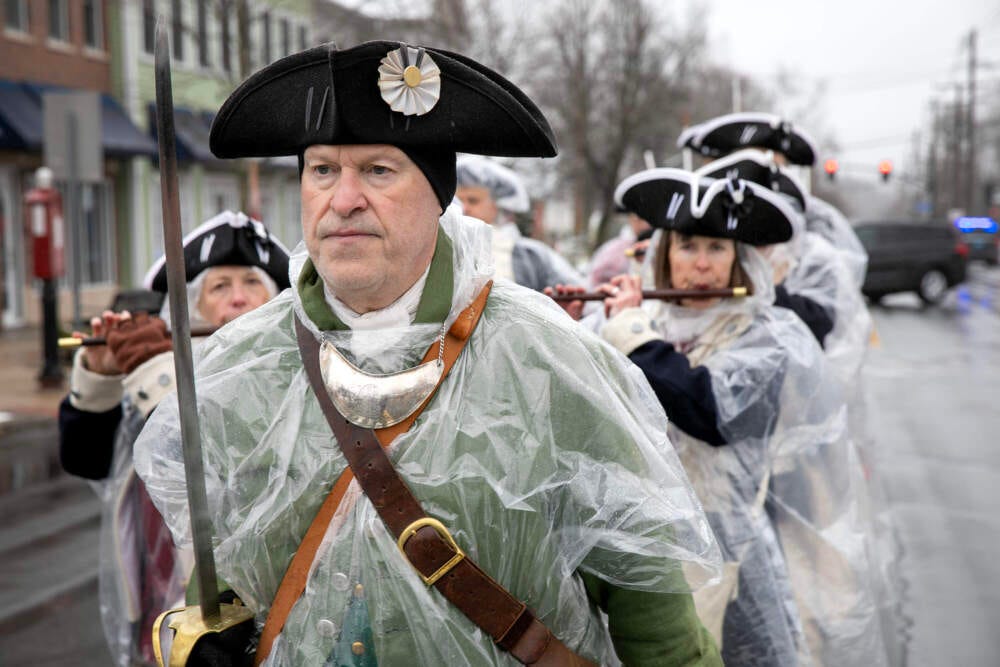
The 250th anniversary couldn’t come at a better time to remind people it’s OK to have different beliefs, Carl Sweeney, captain of the Concord Minutemen, told WBUR’s Cloe Axelson. But you need to talk, he said, our forefathers did that, and when push came to shove they stood up for their beliefs.

The pitch, penalty kicks and positional numbers
The World Cup is the most popular pro sports tournament in the world. But most Americans don’t speak its language. Don’t worry: our WBUR colleague Berto Scalese has got you covered with this great glossary.
‘If you go back, I don’t know what will happen.’
Author Marjane Satrapi died this week. The timing is interesting since the U.S. is at war with Satrapi’s native country, Iran. Satrapi rose to fame with “Persepolis,” a series of graphic novels that tell the story of the Islamic Revolution through the eyes of a little girl. The NYT named “Persepolis” one of its “100 Best Books of the 21st Century” and the film version won the Jury Prize at the 1007 Cannes Film Festival. If you’re interested in better understanding the recent history of Iran, both are a great place to start.