

This week at Cog #33

My friend and Cog contributor Juliet Faithfull published her debut novel last week. It’s called “Liar’s Dice,” and it’s inspired by her own experience, growing up in Brazil with a disabled twin sister who was sent to live at an institution in England when the girls were still young. In the book, the protagonist, Dolores, is a self-described “watchful girl,” who learns to read when she’s 12, in order to write letters to her sister, Mita. The book is about secrets, and language, and connection and resistance. Remarkably, Juliet herself didn’t learn to read or write until her family moved from rural Brazil to Rio. And yet here she is, publishing a book — even going on “The Today Show!”
One of my favorite things to think about now, as I read a novel, is what pieces come from the author’s own life or experience. It’s always more than you think. Of course, the best writers turn their experiences into fiction in which a reader also sees themselves. I’m currently reading two books about music: “Deep Cuts” by Holly Brickley, and “American Fantasy” by Emma Straub. Both books explore how music imprints on us when we’re young, and how it travels with us, and I’m definitely feeling seen. — SS
This week’s stories
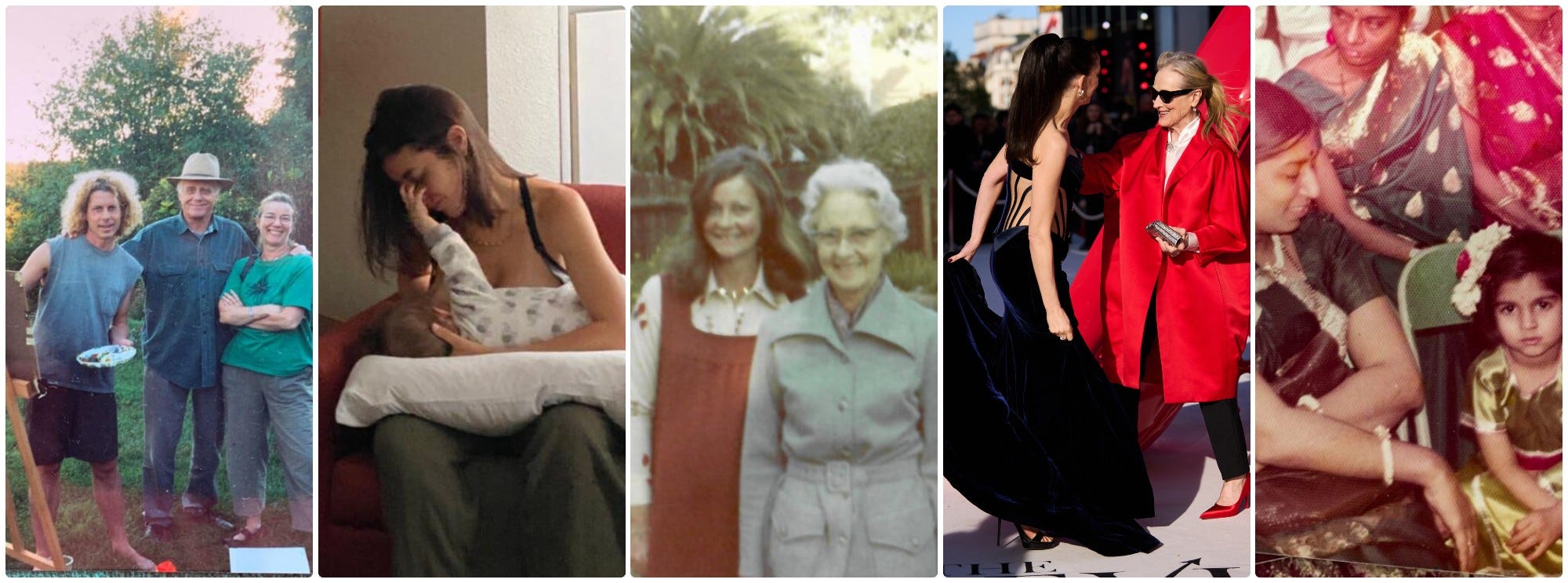
I gave my stepmother a hard time as a kid. Now I can’t imagine life without her
Ethan Gilsdorf’s relationship with his stepmother was rocky at first, but it isn’t anymore. “Although it has taken decades for me to realize this — my 30s, 40s and most of my 50s — Susan never went anywhere,” he writes. As other maternal and paternal figures disappeared, Susan endured.”
‘When breastfeeding stopped working, it felt like I stopped working’
I have no statistics to cite about the number of women who experience what is sometimes called “breastfeeding grief,” writes Miriam Wasser. But I’ve come to believe that what happened to me, is, if not necessarily common, then at least quite prevalent.
Activism is an essential part of mothering
“Motherhood and activism are not mutually exclusive,” writes Victoria Livingstone. “Rather, they are categories of identity that inform each other.”
A tale of two kitchens: my mother’s and mine
“My mother’s grocery list is the length of a CVS receipt. Mine is a folder of photos I texted myself consisting mainly of which frozen brand of saag paneer I like from Trader Joe’s,” writes Namrata Patel. “Somewhere between her kitchen and mine, a generation of knowledge became silently displaced.”
The world has changed, but ‘The Devil Wears Prada 2’ is still about work
Between DOGE and the rise of AI bots, work is far more precarious than it used to be, writes Joanna Weiss. Amid so much uncertainty, it’s no surprise that people would flock to a movie that fetishizes work as much as Chanel boots.
Bonus content

Why I’ve come to appreciate snoring, sort of
Any pretense we had 25 years ago, about how we might need to contort ourselves to accommodate each other, has given way to understanding and a certain acceptance, writes Cloe Axelson. Your snoring makes me murderous and I really don’t want to snuggle when we sleep, but you’re still my person and I love you.

Many people, especially teens and young adults, turn to AI chatbots for mental health support — even if they also see a human therapist. Curious about what AI advice looks like? Our WBUR colleagues created this incredibly cool interactive that allows you to test how chatbots respond to common mental health questions. You choose among three mental health scenarios and interact with the chatbot. After your conversation, several Boston-area therapists enter the chat to offer insights into what the chatbots did well and where they fell short.
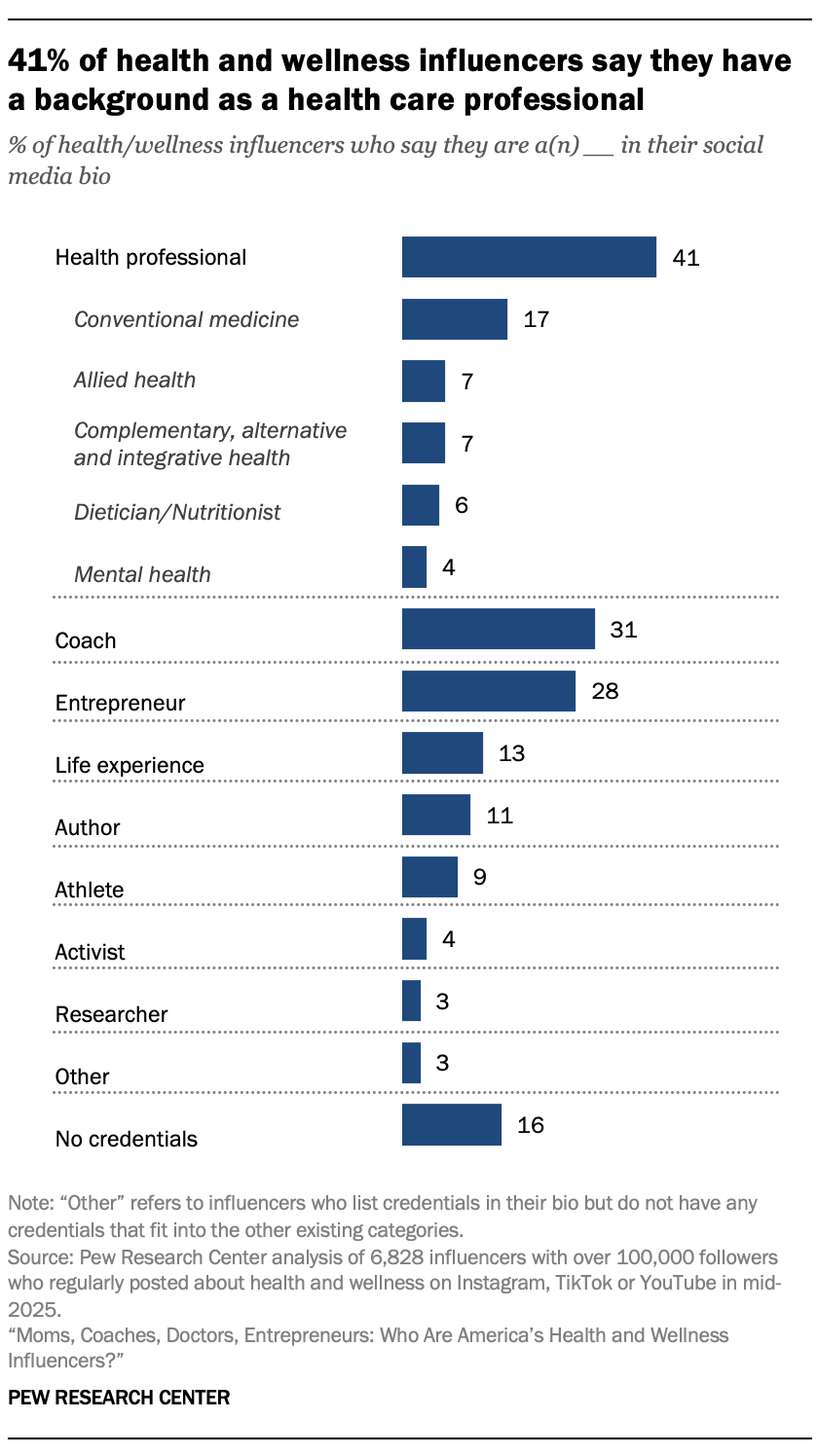
Chatbots aren’t the only ones dispensing advice. A recent Pew Research survey found that 4 in 10 American adults (and half of those under 50) say they get health and wellness information from social media influencers or podcasts. This article explains who the people doling out advice on the internet are and what kind of expertise they actually have.
Great roundup! Thank you so much for including a note about my essay on motherhood and activism.
I related in many ways to several of the other essays, especially the piece on breastfeeding + Juliet Faithfull's reflections on bilingualism. I also work in several languages and I lived in Brazil (though in a completely different context than Faithfull). I'm putting her novel on my reading list.