

This week at Cog #24
Free buses in Boston, big tech and privacy, the things we keep, and the high-speed adventure of being the parent of an Olympian.

I bought a Brick – a physical device for blocking apps – for my phone back in late December with every intention of using it starting January 5, when school and work resumed after a long holiday break. Then two months went by. Oops. But this week, I did it. I took the device — a simple gray square — out of its package and stuck it on my fridge. Then I downloaded the app and gave it a try. You can program your Brick with different settings – you can block all apps and email in the hours before bed, for example, or just social media apps for “deep work mode,” which is what I did.
App blocking isn’t revolutionary, but the thing about the Brick is, you have to physically get up and go to it to scan and unlock your phone when you’re ready to have access again to whatever you’ve blocked. You can’t cheat it like you can with Apple’s screentime, by entering a passcode or adding fifteen minutes (repeatedly).
When I got up from my desk to take a break or make lunch, instead of mindlessly opening my phone and scrolling, I kept my podcast queue going. Instead of seeing an Instagram post about an essay I swore I’d return to read “when I have time,” I opened to the actual articles and read them all the way through. (Ask me anything about the season finale of “Industry” last Sunday night.)
The first day, I bricked my phone for 7 hours. The next two days? Eight hours. I felt free, and also like someone should throw me a parade.
This week’s stories
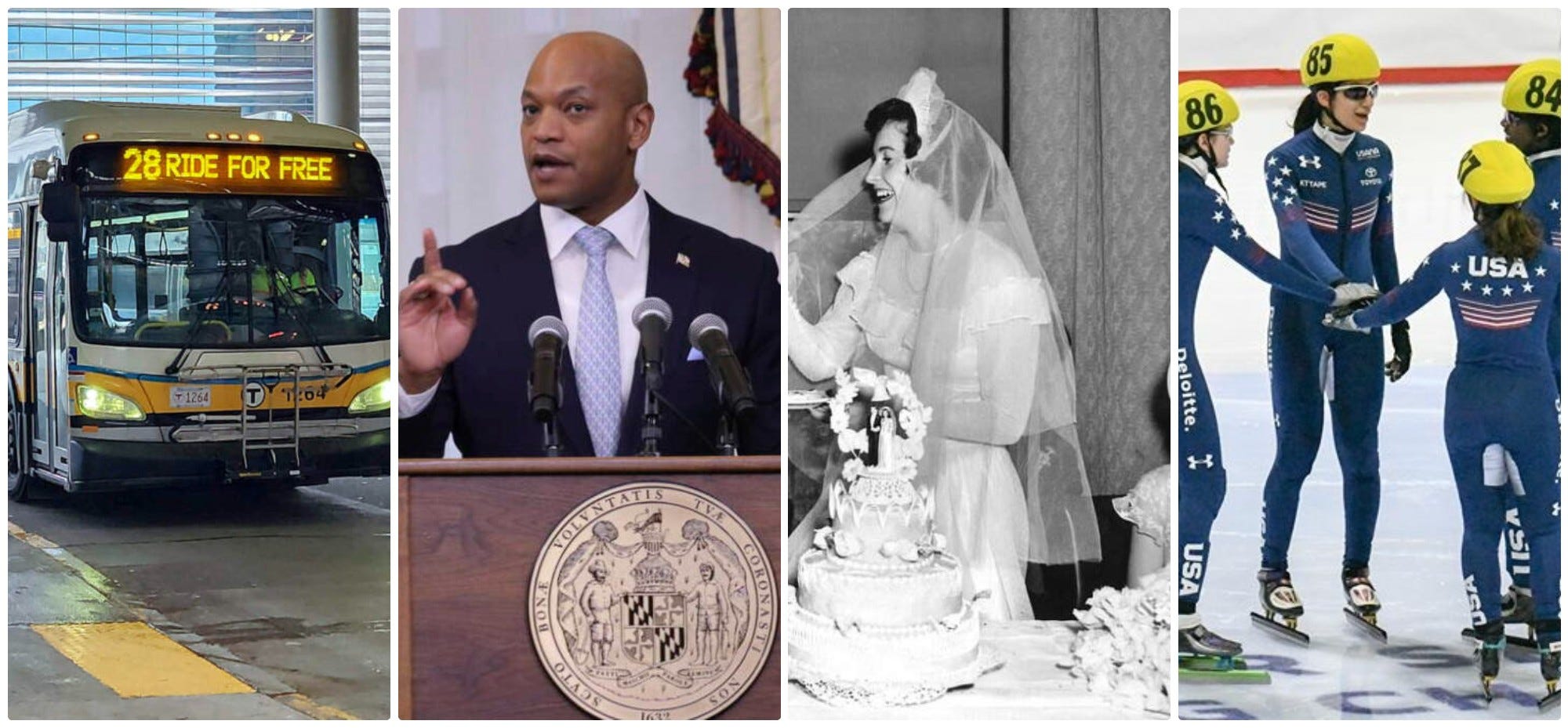
Making Boston’s buses free is a bad idea
“Boston Mayor Michelle Wu’s enduring hope of free bus service remains stalled, with only the free-three available throughout the MBTA,” writes Rich Barlow. “This well-meaning but misguided idea should be put out of its misery.”
Big tech is hungry for consumer data. Mass. needs privacy legislation now
The heart of the privacy bill that the Massachusetts legislature is now considering is a simple but firm rule that companies should collect and use only the personal information that they need to provide services for consumers, write Woodrow Hartzog and Neil Richards.
Life isn’t about what we lose. It’s about what we keep
As the family archivist, holding on to these objects is my way of keeping everyone here just a little bit longer, writes Meghan O'Sullivan. “I hope they don’t mind.”
Watching my daughter chase her Olympic dreams at high speed
“Beyond strength and nerve and quick strategic thinking, skaters must stay balanced — pushing their limits but maintaining control,” writes Jean Letai. “Parents too must stay balanced — rooting for our kids’ dreams but remembering they are larger than their dreams.”
Bonus content
I made my smartphone dumb. I like it — and me — better this way
I realize now that I missed me — the me that always lived inside my head, writes Jonathan D. Fitzgerald. For years, I was good company for myself until I fell into the trap of endless distraction.
The TikTok Channel Telling Male Athletes to Love Each Other
Anna Sale talked to members of the men’s basketball team at Colby College who run an unlikely TikTok account called “Sex Ed for Guys.” Their goal is to encourage conversations around mental health, emotional awareness, male friendship, vulnerability and consent in young men. She also talks to their faculty mentor, Adam Howard. File it under: we can have good things on the Internet.
Failed “Finance Bros” Find Success with HBO’s “Industry”
It’s nice to know David Remnick and I agree that “Industry” is the most enthralling, if most stressful, television series out there right now, and I really enjoyed his conversation with the show’s creators, Mickey Down and Konrad Kay. Down and Kay met at Oxford and both pursued short-lived careers in finance before becoming creative collaborators and writing a show about young people on the bottom rung of the trading floor ladder. I loved hearing about their own friendship and partnership and how, if given the opportunity, they hope to keep working together rather than forging separate paths after “Industry” concludes next year.